
AMBEDKAR INSTITUTE OF HIGHER EDUCATION
Permanently Recognized By : Deptt. of Health, Govt. of Bihar.
Affiliated to: Bihar University of Health Science, Patna
Chhitnawa, Danapur, Patna- 801503 (Bihar)
Permanently Recognized By : Deptt. of Health, Govt. of Bihar.
Affiliated to: Bihar University of Health Science, Patna
Chhitnawa, Danapur, Patna- 801503 (Bihar)
Bachelor of Occupational Therapy (BOT) is a professional undergraduate healthcare course designed to prepare students for a successful career in rehabilitation, functional recovery, developmental support, mental wellness assistance, and independent living training.
Ambedkar Institute of Higher Education, Patna has carefully designed this BOT course to provide students with a strong blend of theoretical knowledge, practical clinical training, rehabilitation techniques, and patient-centered occupational therapy understanding.
Through this course, students learn anatomy, physiology, psychology, therapeutic activities, rehabilitation methods, developmental care, assistive techniques, and functional independence training, helping them become fully prepared for the healthcare sector.
4 to 4.5 years undergraduate program with academic study, practical clinical training, and internship exposure.
12th pass students can apply. Science background with Biology is generally preferred.
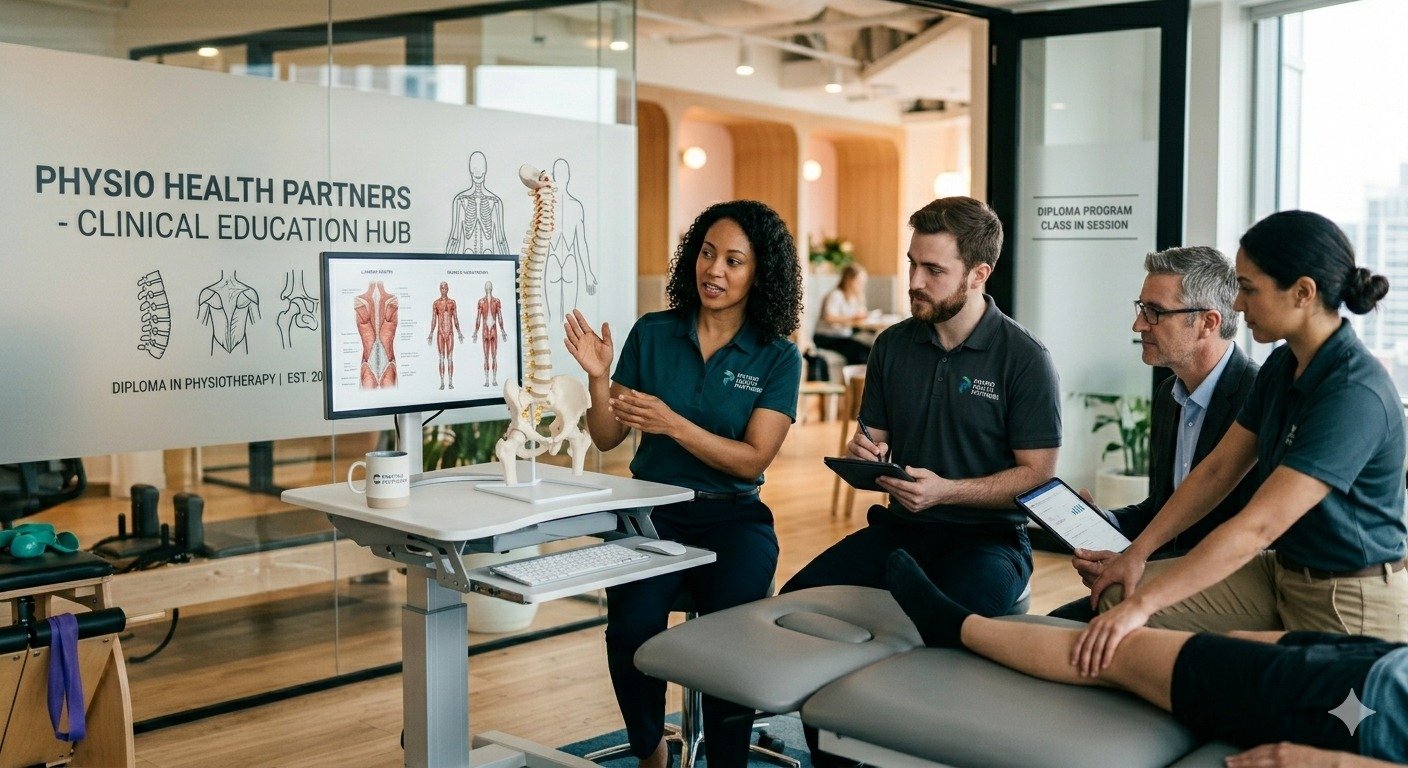
Regular full-time classroom learning with rehabilitation training, therapy practice, and clinical exposure.
Career opportunities in hospitals, rehabilitation centres, special schools, mental health settings, clinics, and community healthcare institutions.
The BOT course is highly beneficial for students who want to build a career in the healthcare sector, especially in rehabilitation, developmental care, mental wellness support, and functional independence training. This course focuses on important areas such as improving daily living skills, supporting patients after injury or disability, and helping individuals regain confidence in personal, social, and professional life.
At the institute, students receive not only theoretical education but also demonstrations, therapy-based practical sessions, clinical training, and rehabilitation support knowledge. This helps improve both their confidence and professional understanding of occupational therapy practices and modern patient care systems.